
R E V E R S E C H E C K L I S T
A Mum's Grapevine Series
Shopping for
Breastfeeding

Every breastfeeding product explained: what it does, the problem it solves, and whether it’s one for your list.


Setting Up Your Feeding Spot
You'll spend more hours here than you can currently imagine. The moment you sit down is the moment you realise the remote is on the other couch.
Nursing Chair
You're about to spend hundreds of hours in one chair, mostly at hours you'd rather not think about. The ones sold for feeding sit you upright with your arms supported at the right height, and many glide or rock to settle bub afterwards. Any comfy chair with good back support does the job, so if you're buying for the nursery anyway, test it sitting the way you'll actually feed.
Nursing Pillow
Newborns feed for what feels like hours, and holding four kilos at exactly the right height turns your shoulders to concrete surprisingly quickly. A nursing pillow brings bub up to feeding height and takes some of the load off your arms and shoulders; plenty of mums love one, while others discover the ordinary pillows already on the couch do the job.
Breast Positioner
If you have a larger or heavier breast, you can end up spending the whole feed holding it up or hunching forward to bring your nipple to bub. A silicone breast positioner sits underneath for support, which can improve the feeding angle and free up a hand; they come in different sizes, so this is very much a buy-if-you-have-that-problem product.
Caddy
The moment you sit down and latch is the moment you realise the water, the nipple cream and your phone are all in another room. A basket keeps them in one place and moves with you, from the nursery to the couch to your bed. Mums who've been trapped under a sleeping baby with everything out of reach only make that mistake once.
Trolley
The caddy's big sister on wheels. A three-tier trolley parks next to your feeding chair and holds the lot, nappy change supplies included, then rolls to wherever the day's feeding is happening. Handy in a two-storey house or anywhere you'd rather not carry a basket and a baby at the same time.
Water Bottle
A desert-level thirst arrives the second bub latches on, every single feed, and nobody mentions it beforehand. A big insulated bottle with a straw lets you drink one-handed without tipping your head back over the baby. Any bottle works, the straw is the bit that matters.
Burp Cloth
Some feeds come back. A stack of burp cloths over your shoulder saves your fourth outfit of the day when bub returns part of the feed to sender. Cloth nappies and muslins do the same job, so this is less a purchase decision and more a "have absorbent things everywhere" strategy.
Nursing Necklace
Around the four-month mark, babies discover they have hands, and your hair, glasses and collarbone become mid-feed entertainment. A nursing necklace is a chunky, safe-to-grab necklace worn by you, giving distractible little fingers something to fiddle with so the feed actually finishes. One for the "you'll know if you need it" pile.
Breast Side Reminder
Which side did you start on last time? By week two you genuinely will not remember. A side reminder is a little bracelet or clip you swap between wrists (or bra straps) to track which breast is up next. A hair tie on the wrist does the same thing for free, but the purpose-made ones survive being chewed by a teething baby.
Breastfeeding App
Feed tracking without the soggy notebook. Apps log which side, how long, nappies and sleeps, which can be handy in those early weeks when the child health nurse asks questions your sleep-deprived brain can't answer. You may use it religiously at first and forget it exists once feeding finds its rhythm.
Breastfeeding Book
Worth reading before bub arrives, because 2am with a screaming newborn is a terrible time to learn about latch. A good breastfeeding book (the Australian Breastfeeding Association has its own) covers positioning, supply and what's normal versus what needs help. Consider it the instruction manual nobody hands you at the hospital.

What You'll Wear
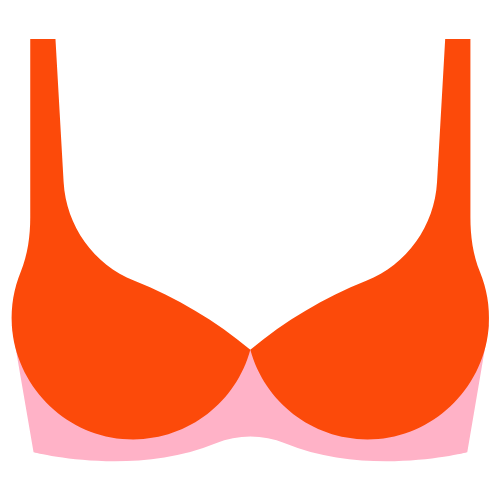
Your boobs are about to become a moving target. What fits in pregnancy may not fit once your milk comes in, and what feels supportive at 10am can feel very different by the next feed.
Maternity / Nursing Bra
Your size can keep changing through pregnancy and again once your milk comes in, so this is one bra where fit matters more than the number on the tag. Look for something supportive, comfortable and easy to open one-handed for feeds, without anything digging into a full breast.
Nursing Sports Bra
A supportive sports bra suddenly gets trickier when your breasts are changing size, and you also need access for a feed. A nursing sports bra gives you both, without peeling off a sweaty crop top in the carpark; only worth adding if you’re actually planning to exercise in those early months.
Nursing Top
Feeding in a cafe in a normal jumper means either flashing the room or wrestling the whole thing over your head. These have hidden panels that open where you need them and look like ordinary clothes otherwise. Some mums build a wardrobe of them, others get by with stretchy necklines and the two-shirt trick.
Breastfeeding Cover
Some mums are happy feeding anywhere; others would rather not have an audience, and both are fine. An apron-style cover gives you privacy, and most have a stiffened neckline so you can still see bub underneath. Some babies tolerate them, some treat the cover as a personal insult and bat it off, so maybe don't buy five before you know which baby you've got.
Breast Pads
Leaking is the bit of breastfeeding nobody puts in the movies. Breast pads sit inside your bra and save your top when your boobs decide to let down without warning; they come in disposable and washable versions, and because some mums leak for weeks while others barely leak at all, start small before buying a drawer full.
Milk Catcher
A breast pad absorbs the milk leaking from the other side; a milk catcher lets you keep it. Handy if you naturally leak during feeds, but some silicone catchers also create suction and remove more milk than would have leaked on its own, so this is more catch what’s coming than build a stash for free.


Nipple & Breast Care
Early breastfeeding can be rough on nipples and breasts while you and bub figure each other out. This is the repair kit, although plenty of mums won’t need most of it, and ongoing pain is something to get help with rather than simply push through.
Nipple Cream
When every latch makes you wince, anything promising relief starts looking essential. Nipple creams and balms can soothe dry or tender skin between feeds, but they won’t fix whatever is causing ongoing pain or damage; buy a small tube if you want one, and get the latch checked if your nipples aren’t improving.
Hydrogel Nipple Discs
When cream isn't touching the sides, this is the next level up. Cool cushioned gel pads sit between sore nipples and everything determined to rub against them, which can feel genuinely blissful when even your bra hurts; they're a short-term comfort product, not something every breastfeeding mum needs.
Silver Nipple Cups
The doll's tea set item from the intro. Small silver cups sit over sore nipples between feeds, stopping clothes rubbing and giving some mums welcome relief. The reviews are more enthusiastic than the evidence and they’re not cheap, so this is firmly in the know it exists and buy it if you need it pile.
Breast Gel Pack
When your breasts feel hot, swollen and like they've been replaced by two bowling balls, cold can feel very good. Reusable breast-shaped gel packs sit inside your bra to cool sore or engorged breasts between feeds; some can also be warmed briefly before feeding if warmth helps your milk let down. Frozen peas still work, but peas don't curve.
Breast Massager
You’ll see vibrating breast massagers sold for “blocked ducts”, but breastfeeding advice has changed. What we used to call a blockage is now understood largely as inflammation, and vigorous massage can make swollen tissue angrier rather than clear it; if you already own one, think very gentle stimulation rather than digging into a lump.
Nipple Massager
A smaller version of the breast massager designed for use around the nipple and areola, usually marketed for stimulating letdown before feeding or pumping. There's a lot of overlap here, so if gentle vibration happens to help you, you certainly don't need both.
Lactation Ball
Not a snack, despite the name, that's the cookies further down. It's a hand-sized ball sold for breast massage, sometimes warmable, but this is another product to use gently rather than rolling hard over a sore lump. If you're buying it for a “blocked duct”, know that current advice favours reducing inflammation over trying to physically massage something out.
Nipple Shield
When bub is struggling to attach, including with some flat or inverted nipples, prematurity, or after becoming used to a bottle, a thin silicone shield over the nipple can sometimes help get a feed happening. They're best introduced with breastfeeding support so the underlying latch issue and milk transfer can be checked. Not a buy-just-in-case item, a buy-when-advised one.


Pumping
There are a lot of pumps promising a lot of things, but the best one depends less on the fanciest motor and more on what you need it to do, and whether the flange actually fits your nipple.
Breast Pump (Manual)
If you only want to express the occasional bottle, buying the biggest electric pump on the shelf may be spectacular overkill. A manual pump is cheap, quiet and easy to stash in a cupboard or bag for occasional expressing; your hand supplies the motor, so regular pumpers usually graduate to something electric.
Breast Pump (Electric)
Once pumping becomes part of your day rather than something you do occasionally, doing every squeeze by hand gets old very quickly. An electric pump does the work for you and comes in single or double versions; if you're returning to work, pumping regularly or building milk supply, this is the category worth researching properly. If you expect to express for most or all feeds, look at hospital-grade pumps too rather than assuming every electric pump does the same job.
Hospital-Grade Breast Pump
If bub can’t feed directly yet, or you’re expressing enough times a day that the pump practically becomes another family member, this is the heavy-duty end of the category. Hospital-grade pumps are designed for frequent expressing and establishing or maintaining milk supply, and because they’re expensive, many mums hire rather than buy one.
Breast Pump (Wearable)
Being attached to a pump is inconvenient enough before you add another child, work or a washing basket that somehow refills itself. Wearable pumps sit inside your bra so you can move around hands-free, but quality varies and some don’t remove milk as effectively as a good traditional pump, so they’re brilliant for convenience without automatically being the best choice for establishing or maintaining supply.
Pumping Bra
Holding two bottles to your chest for twenty minutes, four times a day, is the bit nobody puts in the brochure. A bra with holes cut for the flanges holds them in place instead, which turns pumping into something you can do while scrolling your phone. If you're regularly double-pumping with a traditional electric pump, this is one of those accessories that suddenly stops looking optional.
Flanges
If pumping hurts, your nipple is rubbing, or you’re getting less milk than expected, the pump itself may not be the problem. The flange is the part that sits over your nipple, and getting the fit right can make pumping more comfortable and effective; the standard size in the box won’t fit everyone, and you may even need a different size for each breast.
Nipple Ruler
Exactly what it sounds like, and less silly than it looks. It measures nipple diameter to give you a starting point for flange size rather than guessing; you can buy one for a few dollars or print one, then check the fit while pumping because nipples (naturally) refuse to be quite as standardised as pump manufacturers would like.


Storing & Serving
Once milk leaves the breast, you've entered logistics.
Milk Storage Bags
Twenty minutes of pumping deserves better than a bottle taking up half the freezer door. Breastmilk storage bags freeze flat, stack neatly once solid and give you somewhere to write the date — which matters when the freezer stash starts multiplying. Freeze them lying flat first, then file them upright once frozen.
Freezer Pods
Bub wants a small top-up and the only milk you've frozen is one giant portion. Freezer pods let you freeze breastmilk in smaller amounts, then pop out only what you need rather than thawing the lot. Reusable means less ongoing spend than storage bags, with the trade-off of another thing to wash.
Milk Freezer Organiser
A stash grows faster than you expect, and the bags at the back are the ones quietly ageing out. A rack or box keeps them in date order so the oldest gets used first. You can improvise with a container from the pantry, though the purpose-built ones dispense bags like a very satisfying vending machine.
Insulated Carry Bag
The fridge is easy; getting the milk from one fridge to another is the awkward bit. An insulated bag with ice bricks keeps expressed milk cold while you're travelling between work, childcare, Grandma's or home. If you'll regularly be pumping away from home, this earns its spot quickly.
Baby Bottle
Yes, on a breastfeeding list. If you're ever apart from bub, expressed milk needs some way of getting from the fridge to the baby, and for many families that's a bottle. Start with one or two rather than a matching set of six because babies can be outrageously fussy about teats; a slow-flow teat and paced bottle feeding can help a breastfed baby control the flow more like they do at the breast.
Bottle Warmer
Breastmilk doesn't actually have to be served warm, but some babies strongly disagree. A bottle warmer heats chilled milk without the bowl-of-hot-water shuffle and can be handy if you're serving expressed milk regularly; plenty of babies happily drink it cooler, so this is another one to wait and see on.
Steriliser
Once bottles enter the picture, so does the washing-up department. Bottle-feeding equipment for babies under 12 months needs cleaning and sterilising, and an electric or microwave steam steriliser makes that job quicker than boiling everything in a pot. Your own breast-pump equipment is different: for a healthy, full-term baby, thorough cleaning is generally enough, so don't assume every pump part needs a trip through the steriliser too.
Steriliser Bag
Taking bottles away from home is easy until you need the clean ones again tomorrow. Microwave steriliser bags give you a compact way to sterilise bottle-feeding equipment wherever there's a microwave, without packing the full benchtop steriliser. They're reusable for a set number of cycles, so check the instructions before chucking the packet.
Breastmilk Powder
Yes, you can now send frozen breast milk away and have it come back as powder. Freeze-drying services remove the water so the milk takes up less space and can be reconstituted later, which is understandably appealing for travel or a large stash. It's still a relatively new consumer service, and research on how freeze-drying affects different components of human milk is evolving, so this is one to investigate thoroughly, including the provider's processing, storage, and reconstitution instructions, before handing over your entire freezer stash.


Keeping Mum Fed & Watered
An entire snack economy has grown around the fact that breastfeeding mums are permanently hungry, thirsty and tired. Some of it is useful, some of it is marketing and none of it is a requirement for making milk.
Lactation Cookies
The famous one. Packed with ingredients marketed for milk supply, usually oats, brewer’s yeast, flaxseed and sometimes herbs, but there’s little evidence the cookie itself makes more milk. What it definitely is, however, is a one-handed snack at 3am, and that has value all by itself. Homemade versions are everywhere if the bought ones sting the budget.
Lactation Tea
Same honest caveat as the cookies: fenugreek, fennel and friends are traditionally used for milk supply, but the evidence is limited. If a warm cuppa reminds you to sit down and drink when you’re thirsty, lovely, just don’t feel like you need a special tea to make milk. Herbs can also interact with medicines, so check the ingredients if you’re taking anything else.
Lactation Hot Drink
The chocolatey middle ground between the tea and the cookies: hot chocolate or malt-style powders with herbs and other ingredients marketed for milk supply mixed in. Functionally, it’s a warm treat. Choose between the three based on which one you’d actually enjoy, not which packet makes the biggest promise.
Breastfeeding Coffee
For the mum who isn't giving up coffee, which is most of us. “Breastfeeding coffee” is generally a lower-caffeine or caffeine-free alternative for anyone wanting the ritual without using up their whole caffeine allowance before breakfast. You don't need a special coffee just because you're breastfeeding. Australian guidance recommends staying around 200mg of caffeine a day, so check the caffeine rather than the word breastfeeding on the packet.
Hydration Powder
That legendary thirst has an entire electrolyte industry riding on it. Breastfeeding can make you thirstier, but for most mums water and drinking to thirst does the job; you don't need electrolytes simply because you're making milk. If a flavoured drink means you actually remember to drink, that's the use case. Check anything with added herbs or high doses of vitamins or minerals before making it an everyday habit.
Lactation Vitamin
A breastfeeding vitamin can look like the next compulsory bottle after the pregnancy one, but you don't automatically need a whole new multivitamin. One nutrient Australia does specifically recommend supplementing while breastfeeding is iodine (150 micrograms a day) so check what your existing supplement contains before buying another. If you have a thyroid condition or you're unsure what else you need, that's one for your GP, pharmacist or dietitian.
Probiotics
The research here is genuinely still evolving, which is the most useful thing anyone can tell you about it. You'll see probiotic strains marketed to breastfeeding mums for everything from breast health to baby's microbiome, but that doesn't make every probiotic interchangeable or every claim proven. This is firmly a choose-for-a-specific-reason, preferably with professional advice, product rather than a chuck-it-in-the-trolley one.

Every product on this list solved a real problem for a real mum.
You won't know which of those problems are yours until you're actually feeding your baby. The thing that looks completely unnecessary now might suddenly make perfect sense in the middle of the night, while something everyone told you to buy may never leave the cupboard.
That's the point of a Reverse Checklist. You don't have to prepare for every possible breastfeeding problem before your baby arrives. You just need to know what's out there if one does.
Most of it can wait.

